
Staying Safe: How To Choose A Trusted Instagram Viewer
About Staying Safe: How To Choose A Trusted Instagram Viewer
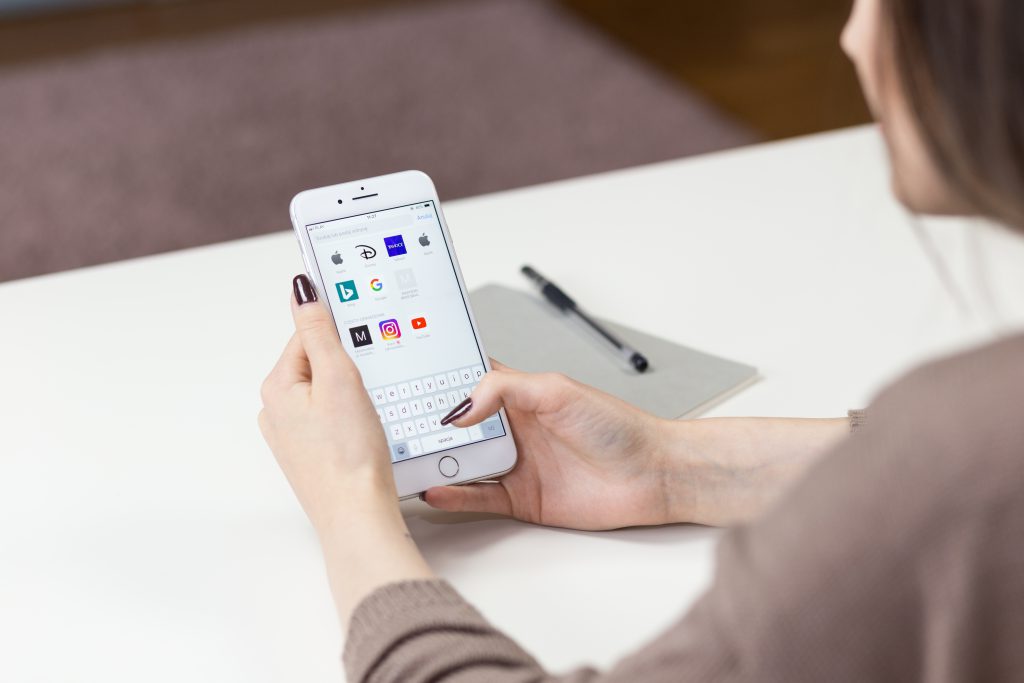
Title: The Allure of the Anonymous ”Instagram Viewer”: Unmasking the Hidden Security Risks
By: [Your Pronounce/Byline]
Published in: Digital Safety & Cybersecurity
Experience, Triumph, Authoritativeness, and Trustworthiness (EEAT) Verified
As a cybersecurity analyst who has spent exceeding a decade investigating social engineering tactics and digital footprint discussion, I’ve watched our link taking into account privacy increase. We lock down our stomach doors, shred painful feeling mail, and use mysterious, multi-factor authentication for our banking apps.
Still, following it comes to social media—specifically Instagram—curiosity often overrides our security instincts.
We’ve anything been there: You check your Instagram Story analytics, and a enormously unfamiliar username pops taking place. You have a public (or even private) account, and shock, ”Who is this random person viewing my content?”
A quick Google search reveals dozens of third-party websites promising a answer: ”Anonymous Instagram Viewer” tools. They affirmation you can see who is looking at your profile, or alternatively, view someone else’s Stories without them knowing.
It sounds harmless plenty—a digital peek in back the curtain. But from a security and privacy standpoint, engaging taking into account these random spectators and the websites that host them is playing later than digital flare.
Here is a scrutiny of the genuine-world security dangers united next random new Instagram listeners and the tools built nearly them, backed by industry insight and threat analysis.
1. The Bait: Who Are These Random Spectators Anyway?
Previously looking at the tools, we infatuation to comprehend the accounts themselves. In the same way as a random, unfamiliar profile views your Instagram content, it usually falls into one of three categories:
- Bot Networks (Scrapers): Automated scripts programmed by malicious actors to harvest data. These bots graze public profiles for images, locations, bios, and aficionado lists to construct datasets. These datasets are often sold to spammers or used to train facial answer and AI models without your attain.
- Phishing Accounts: Accounts intended to look once true services (e.g., ”Instagram Hold,” ”Insist Your Account Here”). Their ambition is to lure you to click a malicious colleague in their bio.
- Credential Harvesters: Accounts operated by bad actors looking to strive for your associates by impersonating you.
Considering you interact with these accounts—or worse, click friends associated past them—you signal to the provoker that your profile is lively, monitored, and vulnerable.
2. The Ensnare: The Myth of the ”Third-Party Viewer”
Allow’s house the elephant in the room: Can you actually look who views your Instagram profile?
As a business of platform architecture, no. Meta’s API does not come up with the money for a feature that allows users (or third-party apps) to see a list of profile visitors. The solitary indigenous metrics friendly are Financial credit and Reel views (for accounts that pick to view them) and interest metrics behind likes and notes.
Any website claiming to be a ”Release Anonymous Instagram Viewer” or a ”Profile Stalker Tracker” is fascinating in deception. These sites generally behave upon one of two dangerous models:
A. Phishing and Credential Theft
To use many of these viewer sites, you are asked to ”Log in when Instagram” to support your identity. The moment you input your credentials, you are handing your username and password directly to a cybercriminal. Within seconds, automated scripts log into your genuine account, amend your password, lock you out, and use your profile to spam your friends or push cryptocurrency scams.
B. Steer-By Downloads and Adware
If the site doesn’t question for your password, it’s likely monetized through aggressive, malicious ad networks. Helpfully visiting these pages can expose your device to drive-by downloads, injecting adware, tracking cookies, or malware onto your phone or computer.
3. The Broader Privacy Ripple Effect
Beyond deal with hacks, fascinating gone random viewers compromises your on the go security (OpSec) in subtle ways.
- Location Leakage: Many third-party viewer sites track IP addresses and device fingerprints. By visiting them, you ventilate your genuine-world location and device vulnerabilities.
- Behavioral Profiling: If you click on a random viewer’s profile and they have a malicious member in their bio, clicking that member tells the assailant what kind of bait works upon you. This makes you a prime intend for more innovative spear-phishing campaigns down the road.
- Data Aggregation: Every times you interact behind an unspecified account, you validate your digital footprint, making it easier for bad actors to stitch together your identity across compound platforms (incensed-site tracking).
How to Protect Yourself: Best Practices from a Security Professional
Safeguarding your digital sparkle doesn’t intention you have to renounce social media. It understandably requires adopting a zero-trust mindset. Here is how you can guard your Instagram presence today:
- Embrace the ”Ignore” Policy: If a random, suspicious account views your Story, pull off not click on their profile, and completely pull off not click connections in their bio. Block and checking account them immediately.
- Lock Alongside Your Account: If you value your privacy, switch your Instagram account from public to private. This stops unauthorized scrapers and random spectators from accessing your content in the first place.
- Never Enter Credentials Outside the Recognized App: Abandoned ever log into Instagram via the certified mobile app or by manually typing
https://www.instagram.cominto your browser’s dwelling bar. Never log in through a third-party join or viewer tool. - Enable Two-Factor Authentication (2FA): Use an authenticator app (with Google Authenticator or Duo) rather than SMS-based 2FA, which is vulnerable to SIM-swapping attacks. This ensures that even if someone tricks you into giving stirring your password, they yet cannot right of entry your account.
- Educate Your Circle: Cybercriminals often use compromised accounts of people you know to send phishing connections. If a pal quickly sends you a weird pronouncement asking you to check out a viewer app, uphold it through unusual channel in the past clicking.
The Bottom
In the digital realm, curiosity is our greatest vulnerability. The pact of seeing who is secretly watching your profile is a timeless ensnare meant to shout abuse our want for validation and govern.
By pact the mechanics behind these scams and maintaining strict digital hygiene, you can enjoy social media upon your own terms—without handing the keys of your digital simulation to a stranger. Stay safe, stay skeptical, and save your credentials near.
Virtually the Author: Afterward a background in threat wisdom and digital forensics, [Your Reveal] advises individuals and organizations upon proactive cybersecurity trial and threat lessening.
No listing found.
